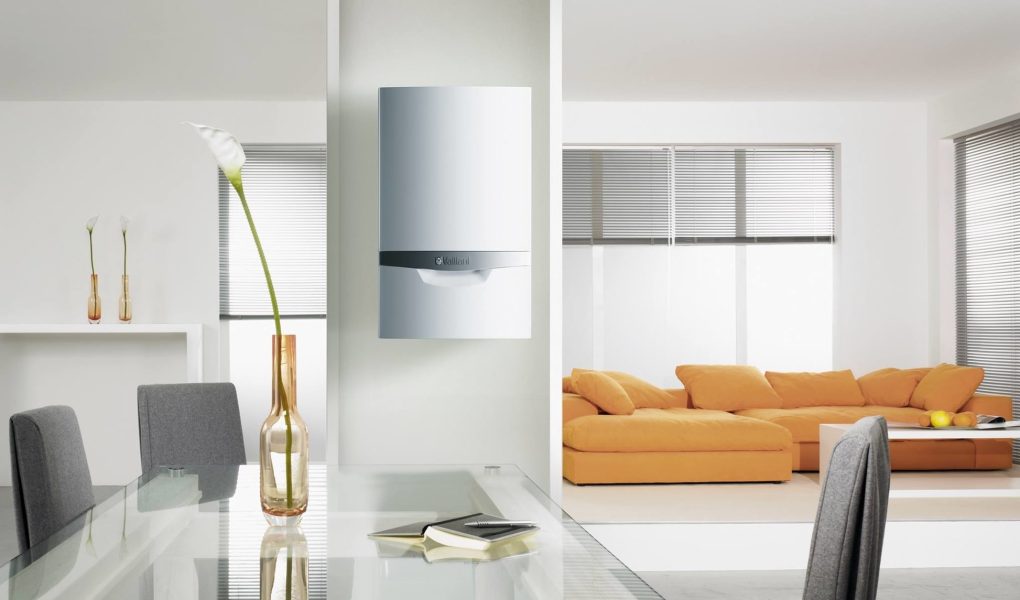
Living in the west of Scotland comes with a unique set of challenges, particularly when it relates to keeping a home warm and dry. We are all familiar with the damp, chilly winters and the unpredictable ‘four seasons in one day’ weather that Glasgow is famous for. Because of this, our central heating systems work incredibly hard for most of the year. It is not just about comfort; it is about protecting the fabric of our buildings, many of which are historic tenements or traditional sandstone villas that require consistent heat to prevent dampness from settling in.
When your current system starts to struggle, the thought of replacing it can feel like a daunting task. However, the reality is that technology has moved on significantly in the last decade. Modern systems are designed to be far more efficient, quieter, and more reliable than the bulky units many of us grew up with. When it comes to sourcing and installing new boilers glasgow residents often look for a balance between high-quality workmanship and fair pricing, ensuring their home remains a sanctuary regardless of what is happening outside on Sauchiehall Street.
Signs your current boiler is finally giving up the ghost
It is often tempting to patch up an old boiler and hope for the best, but there comes a point where the cost of repairs outweighs the benefit of keeping an old machine running. Recognising the warning signs early can save you from a total breakdown in the middle of a January freeze. If you find yourself constantly resetting the system or bleeding your radiators every other week, your boiler is likely trying to tell you something.
- Rising energy bills: If your gas usage is going up but your habits haven’t changed, your boiler is likely losing its efficiency.
- Strange noises: Banging, whistling, or gurgling sounds (often called kettling) usually indicate a build-up of limescale or sludge in the system.
- Frequent repairs: If you have the local engineer on speed dial, it is time to consider a more permanent solution.
- Yellow flames: A healthy boiler flame should be crisp and blue. A yellow or orange flame can be a sign of carbon monoxide, which is a serious safety risk.
- Difficulty finding parts: For very old models, sourcing replacement components can become expensive and time-consuming.
Why modern efficiency actually saves you money
One of the most significant reasons people opt for a replacement is the immediate impact on their monthly outgoings. Older G-rated boilers can be as little as 60% to 70% efficient, meaning for every pound you spend on gas, 30p to 40p is essentially wasted. In contrast, modern A-rated condensing boilers are often more than 90% efficient. This transition can lead to hundreds of pounds in savings over a single year, which quickly helps to offset the initial cost of the installation.
Beyond the raw numbers, there is the benefit of modern controls. Many new systems come with smart thermostats that allow you to manage your heating from your smartphone. This means you can turn the heating down if you are staying late at work or boost it just as you get off the train at Central Station, ensuring the house is warm the moment you step through the door. This level of control was unimaginable twenty years ago, but it is now a standard part of a high-quality home heating setup.
Choosing the right type of boiler for your property
Glasgow has a diverse range of property types, and what works for a modern flat in the West End might not be suitable for a sprawling Victorian terrace in Pollokshields. Understanding the different types of boilers available is key to making an informed decision.
- Combination (Combi) Boilers: These are the most popular choice for smaller homes and flats. They provide heat for your radiators and hot water on demand without the need for a bulky storage tank. They are compact and fit easily into kitchen cupboards.
- System Boilers: Ideal for homes with more than one bathroom, these require a cylinder to store hot water but do not need a tank in the loft. They are great for providing a steady supply of hot water to multiple taps at once.
- Regular (Conventional) Boilers: Often found in older properties with traditional plumbing, these use both a storage cylinder and a water tank in the attic. They are often the best choice for homes where the pipework might not handle the higher pressure of a modern combi system.
What to expect during the installation process
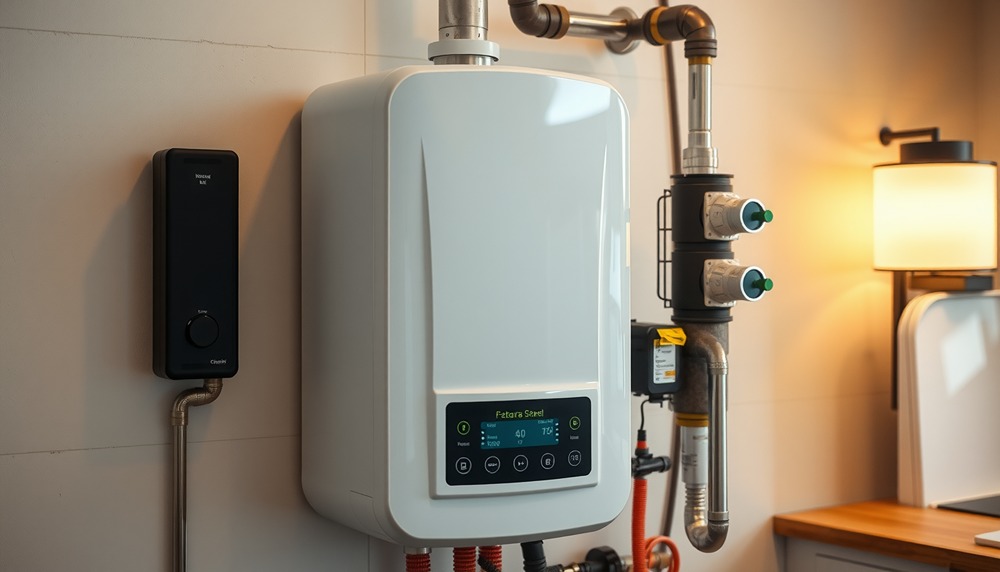
The process of getting a new system installed is much smoother than it used to be. A professional installation usually begins with a thorough survey of your home to determine your specific heating requirements. This isn’t just about the number of rooms; it involves calculating the heat loss of the building, checking the condition of your existing radiators, and ensuring your gas supply pipe is the correct diameter for a more powerful modern unit.
On the day of the installation, a Gas Safe registered engineer will arrive to remove the old unit and prepare the area. This is also the perfect time to have the entire system power-flushed. This process removes the accumulated sludge and debris from your pipes and radiators, ensuring that your new boiler isn’t immediately contaminated by old dirt. Once the new unit is in place, the engineer will test the system thoroughly, balance the radiators, and show you how to use your new controls and timers.
The importance of local expertise in Glasgow
Choosing a local provider for your heating needs offers several advantages. Local engineers understand the specific water pressure issues and common plumbing configurations found in different parts of the city. Whether it is navigating the tight access of a tenement close or understanding the quirks of older lead piping, local knowledge is invaluable. Furthermore, having a local contact means that if you have any questions or need a follow-up service, help is never far away.
When looking for a provider, it is essential to check their credentials. Always ensure they are on the Gas Safe Register and ask about the warranties they offer. A long manufacturer’s warranty—sometimes up to 10 or 12 years—provides incredible peace of mind, knowing that you are protected against unexpected repair bills for over a decade. It is also worth checking online reviews to see how they have handled installations for other residents in the area, as a track record of reliability is the best indicator of future performance.
Looking after your new heating system
Once your new system is up and running, a little bit of maintenance goes a long way. To keep your warranty valid and ensure the system continues to run at peak efficiency, an annual service is a must. This is a relatively quick check-up where an engineer cleans the internal components, checks the seals, and ensures there are no leaks or safety issues. It is a small price to pay to protect a significant investment in your home’s comfort.
You can also take small steps yourself to help the system along. Keeping your radiators clear of furniture allows heat to circulate more effectively, and using thermostatic radiator valves (TRVs) in different rooms allows you to tailor the temperature to how you actually use your space. For example, you might want your living room to be a cosy 21 degrees while keeping a spare bedroom at a cooler 16 degrees. These small adjustments, combined with the power of a modern boiler, make for a home that is not only warmer but significantly more sustainable and cost-effective in the long run.

Olivia specializes in writing helpful guides and sharing valuable information across a variety of topics.